
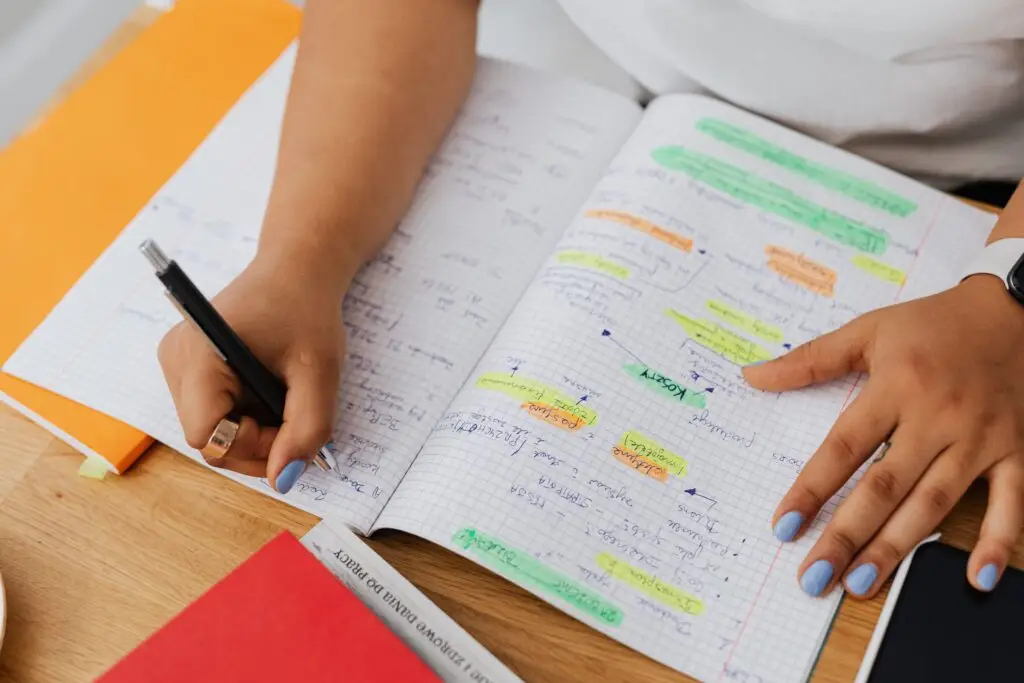
10 Effective Revision Techniques for GCSE Students
The Ultimate GCSE Revision Guide to Improve Grades and Exam Confidence
Preparing for GCSE exams can feel overwhelming. With multiple subjects, large amounts of content and increasing academic pressure, many students struggle to know where to begin.
The good news is that effective revision is not about studying for longer hours—it’s about studying smarter. Research shows that certain revision techniques are significantly more effective than simply rereading notes or highlighting textbooks.
In this guide, we’ll explore 10 proven revision techniques that can help GCSE students improve retention, build confidence and maximise exam performance.
Why Effective Revision Matters
GCSE examinations play an important role in shaping future educational opportunities. Strong GCSE results can support progression to:
- A-Level Courses
- College Programmes
- Apprenticeships
- University Pathways
- Future Career Opportunities
Developing effective revision habits early can improve both academic performance and long-term learning skills.
1. Use Active Recall
Active recall is one of the most effective learning strategies available.
Rather than simply reading notes, students actively test their memory by attempting to recall information without looking at the answers.
Examples include:
- Flashcards
- Self-quizzing
- Practice questions
- Cover-and-recall exercises
Research suggests that retrieving information from memory strengthens long-term retention.
How to Use It
Instead of rereading a Biology chapter, close your notes and write down everything you can remember about the topic.
2. Practise Past Papers
Past papers help students become familiar with:
- Exam formats
- Question styles
- Mark schemes
- Time management
Many students understand content but lose marks because they are unfamiliar with exam techniques.
Benefits
- Identifies weak areas
- Builds exam confidence
- Improves timing
- Develops exam strategy
3. Use Spaced Repetition
Spaced repetition involves reviewing information at increasing intervals over time.
Instead of cramming everything the night before an exam, students revisit topics regularly.
Example schedule:
- Day 1
- Day 3
- Day 7
- Day 14
- Day 30
This approach helps transfer knowledge into long-term memory.
4. Create Mind Maps
Mind maps help students visualise connections between concepts.
They are particularly useful for:
- Biology
- History
- Geography
- English Literature
- Psychology
Mind maps encourage students to organise information logically and improve understanding.
5. Teach Someone Else
One of the best ways to check understanding is to explain a topic to another person.
This technique, sometimes called the “Feynman Method,” forces students to simplify complex concepts and identify gaps in knowledge.
You could explain a topic to:
- Parents
- Friends
- Siblings
- Study Groups
If you cannot explain it clearly, you may need further revision.
6. Break Revision into Small Sessions
Long revision sessions often lead to reduced concentration.
Many students benefit from the Pomodoro Technique:
- 25 minutes focused study
- 5 minute break
- Repeat
Short, focused sessions can improve concentration and reduce mental fatigue.
7. Use Flashcards
Flashcards are ideal for memorising:
- Definitions
- Formulae
- Key Dates
- Scientific Processes
- Vocabulary
Digital tools such as Anki and Quizlet can also support effective flashcard revision.
8. Focus on Weak Areas
Many students spend too much time revising topics they already understand.
A more effective approach is to identify weaker areas and prioritise them.
Ask yourself:
- Which topics do I struggle with?
- Which exam questions do I frequently get wrong?
- Where am I losing marks?
Targeted revision often delivers the biggest improvements.
9. Create a Revision Timetable
A revision timetable helps students:
- Stay organised
- Reduce stress
- Balance subjects effectively
- Track progress
A realistic timetable should include:
- Revision sessions
- Breaks
- Exercise
- Leisure time
Consistency is more important than intensity.
10. Look After Your Wellbeing
Academic success is not just about studying.
Students should also prioritise:
- Sleep
- Exercise
- Hydration
- Healthy Nutrition
- Stress Management
Research shows that sleep plays an important role in memory consolidation and learning.
Students who are well-rested often perform better than those who sacrifice sleep for additional revision.
Common GCSE Revision Mistakes
Avoid these common mistakes:
Passive Reading
Simply rereading notes is often ineffective.
Last-Minute Cramming
Cramming can lead to short-term memorisation but poor long-term retention.
Ignoring Weak Topics
Students often avoid difficult subjects, which can limit overall performance.
Lack of Practice Questions
Understanding content is important, but exam practice is essential.
Overworking
Too much revision without breaks can reduce productivity and motivation.
How Tutors Can Help GCSE Students Revise More Effectively
Many students benefit from additional support during exam preparation.
A tutor can help by:
- Identifying knowledge gaps
- Creating personalised revision plans
- Providing practice questions
- Improving exam techniques
- Building confidence
Personalised support can help students use revision time more efficiently and achieve stronger results.
Final Thoughts
Successful GCSE revision is not about spending every waking hour studying. It is about using evidence-based revision techniques that improve understanding, retention and exam performance.
By combining active recall, spaced repetition, past paper practice and effective time management, students can approach their exams with greater confidence and maximise their chances of success.
Whether you are aiming for grade 5s, grade 7s or top grades across all subjects, developing effective revision habits can make a significant difference.
If you’re looking for personalised GCSE support, ScholarCore Tutors can help match you with experienced tutors who provide tailored revision guidance and exam preparation support.